 EN
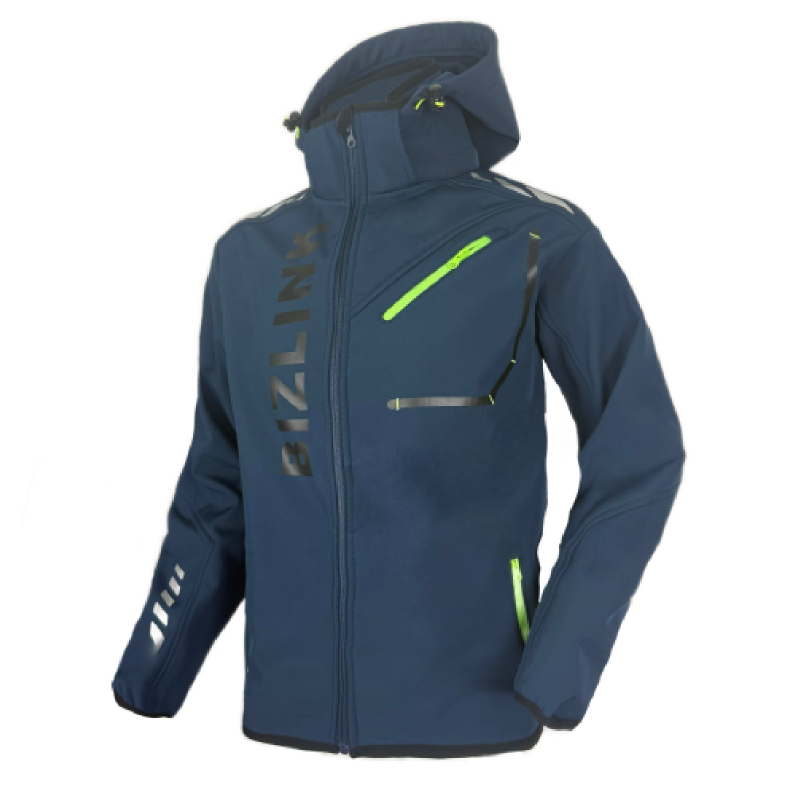
A sample that photographs well can still fail in the field. That is the point of workwear sample approval: it is where you catch the wrong GSM, a mis-graded sleeve, or reflective tape that fades after three washes — while the fix costs days, not a container. This workwear sample approval guide covers the full process, from the tech pack garment brief to the sealed gold seal sample that governs your bulk shipment.
Hoc iter per gradus est pro importatoribus, emptoribus vestium uniformium et brandis privatis quae programmate vestium operarum ad mensuram cum fabricis OEM Sinicis utuntur. Si numquam antehac cyclum approbationis exemplorum vestium operarum egisti, gradus infra sunt qui 90% dolorum capitis in ordinibus magnis prohibent. Iter approbationis exemplorum vestium operarum semel exsequere in ordine parvo, et secundus, tertius et decimus ordines faciliores fiunt — quia sigillum aureum ex primo circulo fit referentia pro omni reordine.
Cur saltatio unius gradus plus impendit quam salvat
Unusquisque gradus approbationis exemplorum vestium operarum existit quia error specificus ibi facile detegitur et tarde detegi carum est. Series dimensionum errores gradationis detegit pretio quinque iacquetarum. Exemplum ante productionem substitutiones textuum detegit pretio unius hebdomadae. Exemplum sigilli aurei deviationem suppeditantis detegit — scilicet spatium inter id quod approbatum est et id quod linea consuit mense sexto.
You can compress the workwear sample approval process, and many buyers do. Just understand the trade: skipping the size set is reasonable when your pattern was graded by the same factory last season. Skipping the pre-production sample on a first order is how buyers end up with 3,000 coveralls in a shade the lightbox rejected.
Start With a Tech Pack That Answers Questions
Most sample delays trace back to the brief, not the factory. "Hi-vis jacket, yellow, good quality" invites three weeks of questions. Measurable inputs get a first proto you can actually judge, and they are the foundation of every workwear sample approval that goes smoothly.
Factories like ours fill gaps with suggestions, but every gap you close in writing is a sample round you don't repeat. Our guide to choosing a hi-vis workwear manufacturer covers what a competent factory should push back on at this stage.
Development / proto |
Proves design and construction |
1–2 pieces |
Silhouette, stitching, trims |
7–12 dies |
Magnitudo coadunata |
Adaptatio et gradatio per totam seriem |
1 pro qualibet magnitudine, 3–5 magnitudines |
Saltus gradationis, adaptatio ad corpus |
7–10 dies |
Ante-productionem (PP) |
Verificat textum in massa, ornatus et experimenta |
1–3 partes |
GSM, color, experimenta lavandi, etiquettas |
10–15 dies |
Sigillum aureum |
Referentia sigillata pro massa |
2 pieces, one each side |
Everything, final sign-off |
At PP approval |
The proto answers "does this design work?" The size set answers "does it fit in every size?" The PP sample answers "does the bulk fabric, colour and construction match what we agreed?" Only then does the gold seal exist — its job is to answer "is this shipment the same as what we approved?" for every shipment after.
What to verify on a pre-production sample
The PP sample is where most of the workwear sample approval value concentrates, so treat it as a test report attached to a garment. What we check before a PP sample leaves the building:
- GSM verification by cut-and-weigh. Cut a 100 cm² swatch, weigh it, compare against spec. Accept ±5%; anything wider compounds across a pallet.
- Colour against the approved lab dip , under a D65 lightbox, in the same room. A shade judged under office LEDs will disagree with the warehouse.
- Wash performance. For hi-vis orders, the reflective tape goes through five wash cycles at 60 °C per ISO 6330 before we re-check retroreflective performance — EN ISO 20471 requires the garment to hold its class after washing, not on day one.
- Shade change grading after those cycles: grey scale 4 minimum for uniforms facing industrial laundries.
- Seam and stress-point review : bartacks at pocket corners, chainstitch integrity, tape application without bubbling.
- Label check : care symbols, size placement, polybag warnings — the boring items that cause customs headaches.
For bulk acceptance, the same logic continues statistically: shipments get inspected to an AQL plan under ISO 2859-1, typically AQL 2.5 for majors on workwear. If a third-party inspector needs a reference, the gold seal is what they measure against — which is why it must be sealed, dated, and signed by both sides.
At Wuhan Kinglong Protective Products (Hubei) Co., Ltd., our merchandising team runs this four-stage workwear sample approval workflow on every custom order, and the wash, colour and measurement checks happen in our own QC lab before samples ship. Long-term partners audit the facility annually through SGS and ICS.
Colour control: lab dips and the lightbox
Colour deserves its own gate because it is the most common cause of PP-sample rejection. The sequence inside the workwear sample approval cycle is: lab dip first (a swatch of the actual dye lot, not a printout), approval in writing, then the PP sample cut from bulk-intent fabric. If you approve a lab dip but the PP arrives in a different shade, stop the line — that is a fabric substitution, not a dye variation.
Two rules save arguments later. Judge colour under D65 daylight-simulating light, and record what you saw. And allow a tolerance: across a 5,000-metre dye lot, a grey scale 4–5 match is realistic; demanding 5 on every roll costs lead time without adding value.
Where workwear sample approvals usually fail
After years of watching approvals stall, the failure list is short and predictable:
- Grading drift : the M fits, the XL does not, because nobody checked the size set on a body.
- Silent trim swaps : an equivalent zip that is not equivalent, or reflective tape from a different batch.
- Approvals by photo : a well-lit image hides puckering and shade. Physical samples only, for anything final.
- Missing measurement sheets : the sample arrives with no spec attached, so nobody knows what "approved" meant.
- Signature gaps : the gold seal was approved by email but never sealed, dated, or countersigned — then two shipments later, nobody agrees on the reference.
Quaestiones Frequenter Rogatae
How many samples do I need before bulk production? For a new programme, expect four workwear sample approval touchpoints: proto, size set, PP sample, and the gold seal. Repeat orders with an unchanged spec can usually go straight to a PP confirmation against the existing gold seal.
Who pays for samples and courier freight? Practices vary. Many factories charge for protos on first-time orders and credit the cost against bulk; size sets and PP samples on a confirmed order are often free.
Can I skip the pre-production sample if I approved a proto? We would advise against it on any first order. The proto rarely uses bulk-lot fabric or the final trim sourcing, so approving it does not prove what your bulk will actually be. The PP sample is the last cheap place to catch that gap inside the workwear sample approval cycle.
What is a gold seal sample used for after approval? It is the contract reference. Your inspector compares bulk against it, your factory compares reorders against it, and disputes get settled by cutting it open if needed. Keep it sealed and away from sunlight; tape and dyes age.
How long does the workwear sample approval process take? With a complete tech pack and fast buyer feedback, four to six weeks from tech pack to gold seal is realistic. Each extra approval round adds one to two weeks.